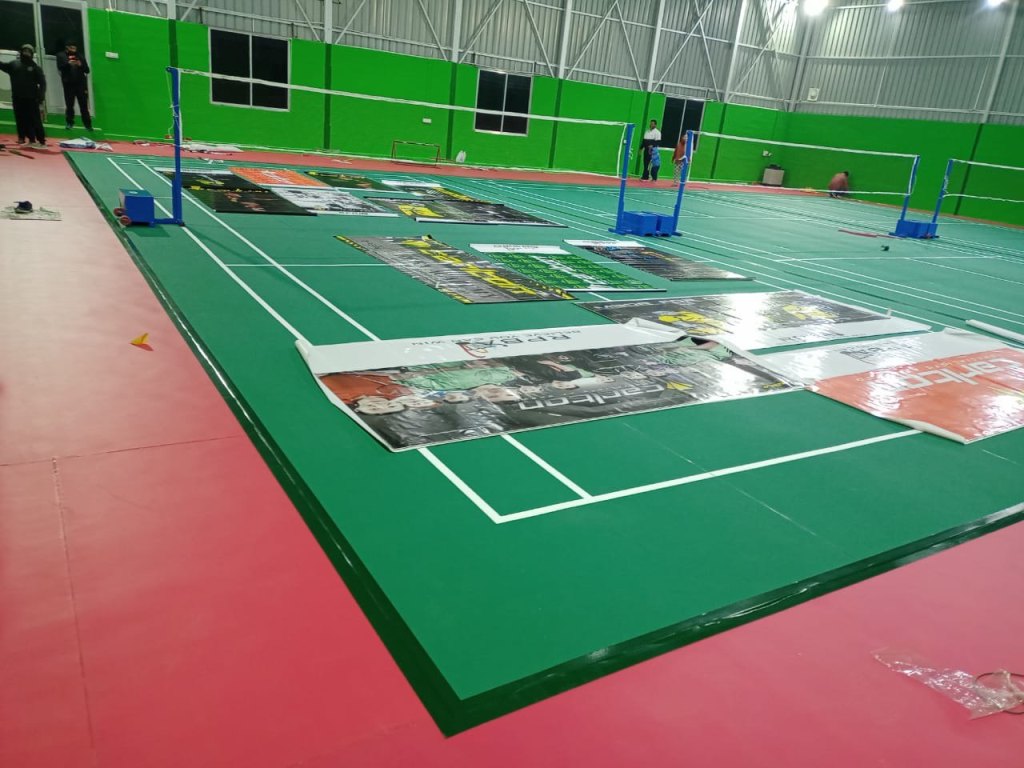
Badminton is one of the fastest-growing sports globally, and its popularity continues to rise among players of all ages. Whether for professional tournaments, sports academies, schools, or recreational centers, the quality of the badminton court plays a vital role in enhancing the game. Two essential factors that determine the playing experience are Badminton Court Flooring and the overall Badminton Court Construction process. A well-constructed court with durable flooring not only ensures player safety but also improves performance.
Importance of Proper Badminton Court Flooring
Flooring is the most crucial element of a badminton court, as it directly affects the movement, comfort, and safety of the players. A poorly chosen surface can lead to injuries such as ankle twists, knee strains, or back pain. On the other hand, the right flooring material provides shock absorption, proper grip, and smooth movement across the court.
There are several types of badminton flooring materials available:
- Wooden Flooring: Traditionally used in professional and indoor badminton courts. Wooden floors provide excellent bounce and grip, making them the preferred choice for tournaments. They also last for many years when properly maintained.
- Synthetic Flooring (PVC or Vinyl): These surfaces are widely used due to their durability, ease of installation, and cost-effectiveness. They provide good cushioning and are suitable for both indoor and outdoor courts.
- Acrylic and PU Flooring: Commonly used in multipurpose sports facilities. These floors are resistant to wear and tear and provide a smooth playing surface.
Choosing the right flooring material depends on factors such as budget, level of play, maintenance, and whether the court will be indoor or outdoor.
Key Considerations in Badminton Court Construction
Constructing a Badminton Court construction requires careful planning and professional expertise. From the base preparation to the final surface finish, every step must be executed precisely to ensure quality and durability.
Here are the major steps involved in the construction process:
- Site Preparation: The location must be level, properly drained, and free from moisture. Any unevenness in the base can lead to long-term issues with flooring.
- Base Layering: A concrete or wooden base is laid depending on the type of flooring material chosen. This ensures stability and durability.
- Flooring Installation: The selected flooring, whether wooden, synthetic, or acrylic, is installed with precision. Shock absorption layers are often included for safety.
- Marking the Court Lines: Standard measurements and line markings are done according to international badminton federation guidelines. Proper markings ensure fair gameplay and tournament-ready courts.
- Lighting and Ventilation: Proper lighting is essential for indoor courts, ensuring players have clear visibility. Good ventilation helps maintain air quality and player comfort.
Benefits of Professional Court Flooring and Construction
Investing in quality flooring and professional construction brings several long-term benefits:
- Enhanced Player Performance: Good flooring allows smooth movement, quick reflexes, and proper bounce, which improves the overall playing experience.
- Injury Prevention: Cushioning and shock absorption reduce the risk of joint injuries and fatigue.
- Durability: Professionally constructed courts last for years with minimal maintenance.
- Aesthetic Appeal: Modern badminton courts with high-quality finishes attract players, sports academies, and event organizers.
Cost of Badminton Court Construction
The cost of constructing a badminton court varies depending on location, flooring type, and additional features. On average, synthetic courts are more affordable than wooden courts, but wooden courts are considered more prestigious for professional use. Other cost factors include lighting systems, seating arrangements, and acoustic designs for indoor facilities.
Conclusion
Building a badminton court is an investment in sports development, health, and recreation. Whether for a school, academy, or professional tournament, the right flooring and construction process ensure safety, performance, and long-term value. By choosing experienced contractors and the right materials, you can create a world-class badminton facility that meets international standards and provides an enjoyable playing experience.
 pulsemarket
Leave a comment