Kidney stones are a widespread health problem that cause extreme discomfort and can affect daily life. These hard deposits of minerals and salts form inside the kidneys and can vary in size. While some stones pass naturally, others may require medical intervention. Choosing the right Kidney Stone Treatment is essential for quick relief, preventing complications, and ensuring long-term kidney health.
What Causes Kidney Stones?
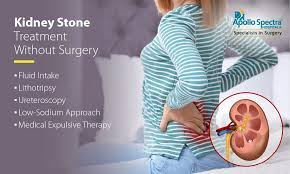
Kidney stones form when the concentration of minerals in urine becomes too high, leading to crystallization. Kidney Stone Treatment Common risk factors include:
- Not drinking enough water (dehydration)
- Diets high in sodium, protein, or oxalates (like spinach and nuts)
- Family history of kidney stones
- Obesity and digestive conditions
- Certain medications that affect calcium levels
By identifying and controlling these causes, the chances of developing kidney stones can be greatly reduced.
Symptoms of Kidney Stones
The symptoms depend on the size and location of the stone. While small stones often pass unnoticed, larger ones can block the urinary tract. Common symptoms include:
- Severe pain in the back, side, or abdomen
- Painful or frequent urination
- Blood in the urine (hematuria)
- Nausea and vomiting
- Fever or chills if an infection develops
These symptoms should never be ignored, as untreated stones can lead to infections or kidney damage.
Diagnosis
Doctors use various tests to detect kidney stones and their characteristics. Imaging techniques like ultrasound, CT scans, or X-rays can confirm the size and location. Blood and urine tests help identify mineral imbalances or other underlying causes. Accurate diagnosis ensures the right treatment plan is chosen.
Kidney Stone Treatment Options
Treatment varies based on the size, number, and type of stones, as well as the severity of symptoms.
1. Hydration and Medication
For small stones, drinking 2–3 liters of water daily helps flush them out naturally. Pain relievers and alpha-blockers may be prescribed to ease passage and reduce discomfort.
2. Extracorporeal Shock Wave Lithotripsy (ESWL)
This non-invasive method uses sound waves to break stones into smaller fragments. The pieces then pass naturally through urine. ESWL is especially effective for medium-sized stones.
3. Ureteroscopy
In this procedure, a thin tube with a camera is inserted through the urethra and bladder to reach the ureter. The stone is either removed or broken with a laser into smaller fragments.
4. Percutaneous Nephrolithotomy (PCNL)
For very large stones, PCNL may be recommended. A small incision in the back is made, and a scope is inserted directly into the kidney to remove the stones. This method is less invasive than traditional surgery.
5. Open Surgery
Although rare today, open surgery may still be necessary in complex cases where other treatments are not effective.
Preventive Measures
Preventing kidney stones is more effective than treating them. Some preventive steps include:
- Drinking sufficient fluids, especially water, throughout the day
- Reducing salt and animal protein in the diet
- Avoiding excess oxalate-rich foods like nuts, spinach, and chocolate
- Maintaining a healthy body weight
- Following dietary advice based on the type of stone identified
Adopting these habits can significantly lower the risk of recurrence.
Conclusion
Kidney stones are painful but manageable with proper care. From simple hydration methods to advanced surgical procedures, patients have multiple options for safe and effective treatment. Early medical attention ensures fewer complications and quicker recovery. Along with timely treatment, preventive steps such as diet control and hydration play a key role in long-term health. In severe cases, kidney stone surgery may be the only solution, but most patients benefit from less invasive treatments that restore comfort and protect kidney function.
 pulsemarket
Leave a comment