Kidney stones are a painful yet common urological condition that affects people of all ages. These hard mineral deposits form in the kidneys when certain substances in the urine, such as calcium or uric acid, become highly concentrated. If left untreated, kidney stones can cause severe discomfort, urinary complications, and even long-term kidney damage. Fortunately, advancements in medical science have made Kidney Stone Treatment safer, faster, and more effective than ever before.
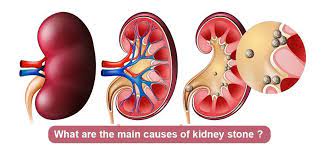
What Are Kidney Stones?
Kidney stones are solid crystal-like formations that develop in the kidneys. They vary in size, from tiny grains that pass unnoticed to larger stones that obstruct urine flow. The condition is influenced by dehydration, dietary habits, genetics, obesity, and certain medical disorders. While men are more commonly affected, women can also suffer from this painful condition.
Symptoms of Kidney Stones
Kidney stone symptoms can range from mild discomfort to excruciating pain. Common signs include:
- Sharp pain in the side, back, or lower abdomen
- Pain radiating to the groin area
- Frequent or painful urination
- Blood in urine (hematuria)
- Cloudy or foul-smelling urine
- Nausea, vomiting, or fever in severe cases
Since these symptoms may overlap with other urinary issues, it is essential to seek professional medical advice promptly.
Diagnosis of Kidney Stones
Early diagnosis is critical in managing kidney stones. Doctors may recommend imaging tests such as ultrasounds, X-rays, or CT scans to detect the size and location of stones. Blood and urine tests help assess underlying conditions contributing to stone formation. Accurate diagnosis ensures that treatment is effective and reduces the chances of recurrence.
Types of Kidney Stone Treatments
Treatment depends on the size, location, and type of kidney stone. Options include:
- Medication Management
Small stones can often pass naturally with the aid of medications that relieve pain and relax the urinary tract. Doctors may also prescribe medicines to prevent future stone formation. - Extracorporeal Shock Wave Lithotripsy (ESWL)
A non-invasive treatment that uses shock waves to break stones into smaller fragments, making them easier to pass. - Ureteroscopy
A thin, flexible instrument is passed through the urinary tract to locate and remove stones or break them into smaller pieces. - Percutaneous Nephrolithotomy (PCNL)
For very large or complex stones, a minimally invasive surgery through a small incision in the back is performed to remove the stones. - Preventive Measures
Alongside treatment, lifestyle modifications are recommended to prevent recurrence. This includes dietary adjustments and proper hydration.
Preventing Kidney Stones
Prevention plays a vital role in long-term kidney health. Simple strategies can reduce the risk of developing stones, such as:
- Drinking at least 2–3 liters of water daily
- Reducing salt and processed food intake
- Limiting high-oxalate foods like spinach, nuts, and chocolate
- Eating more fruits, vegetables, and whole grains
- Maintaining a healthy weight
- Attending regular health check-ups
Choosing the Right Hospital for Care
Finding the right hospital is crucial when dealing with kidney stones. Patients should look for facilities that offer modern technology, minimally invasive treatments, and experienced urologists. For instance, many people in India search for the best kidney stone Hospital In Bangalore, where advanced procedures and expert guidance are available. Choosing a trusted hospital ensures comprehensive care from diagnosis to long-term prevention.
Why Early Treatment Matters
Delaying treatment can lead to complications such as recurrent infections, kidney swelling, or permanent kidney damage. Early medical attention not only relieves pain but also helps preserve kidney function and overall health.
Conclusion
Kidney stones may be a common problem, but they are highly treatable with modern medical care. With options ranging from medications to advanced surgical techniques, patients can achieve quick relief and long-term wellness. Preventive lifestyle changes, including hydration and a healthy diet, are equally important to stop stones from forming again. By seeking timely treatment and adopting preventive strategies, individuals can safeguard their kidney health and live a life free from the burden of kidney stones.
 pulsemarket
Leave a comment