There are some things people don’t admit they’re curious about, yet the curiosity still hums in the background like soft static. Matka is one of those things. It’s not usually discussed openly at family dinners or work meetings, but you’ll see the signs everywhere—someone checking their phone with a flicker of anticipation, a whispered conversation near a tea stall, those late-night discussions in groups where everyone pretends they’re not really “into it.” Yet, they all wait for the same thing: the result, the moment, the thrill of seeing what number shows up.
It’s not the kind of thrill you find at theme parks or adventure sports. It’s quieter, more personal. Almost mundane, yet weirdly exciting—like opening an email you’ve been expecting all day or waiting for exam results even though you know what you wrote was… well, let’s call it “questionable.” That little spike of adrenaline? Matka taps into that with surprising accuracy.
And somewhere between tradition and technology, between whispers and digital dashboards, this old-number game found a second life.
How Matka Slipped Into Modern Routine
What surprises people who aren’t familiar with the scene is how seamlessly matka fits into everyday life. satta matka No dramatic gestures, no loud announcements—just people refreshing screens while waiting in line at the grocery store or half-watching TV. It’s this subtle integration that makes the culture both fascinating and misunderstood.
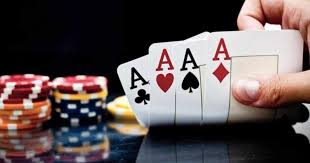
There’s something oddly human about attaching emotion to numbers. We do it all the time—birthdays, anniversaries, “lucky digits,” the last two numbers on a train ticket. Numbers that feel like they’re ours, even when they aren’t. Matka doesn’t create this tendency; it simply amplifies it.
For many, the gateway into the community starts with a casual glance at a board or a forwarded message from a friend. Then the curiosity grows. The routine settles in. And suddenly, they’re checking updates the way others check cricket scores.
That’s where the next part of this story naturally flows.
The Enduring Pull of satta matka in a Fast-Shifting World
It’s impossible to talk about this culture without mentioning satta matka, the phrase that carries decades of history, rumors, excitement, and, yes, controversy. For older generations, it’s a reminder of what the game used to look like—papers, handwritten charts, people gathering in certain corners of the city. For younger players, it’s just another digital experience that feels oddly retro in its simplicity.
But the real charm of satta matka isn’t in the mechanics. It’s in the atmosphere. The shared sighs, laughter, debates about patterns that don’t actually exist but still somehow matter. The emotional rollercoaster that players willingly get on each day, even when logic says otherwise.
And this emotional connection is what gives the game its longevity. You can update the format, digitize the process, add flashy graphics, but the underlying feeling? That hasn’t changed in decades.
A Game That Moves With the Times
Matka isn’t frozen in nostalgia. It moves—sometimes slowly, sometimes surprisingly fast—with technology, trends, and habits. What used to be exchanged in person now exists across apps, websites, group chats, even social media narratives. People track updates with the same urgency they bring to stock market dips or football match highlights.
This blend of old and new makes the culture unique. You have seniors who swear by age-old “logic,” and you have Gen-Z kids analyzing patterns on their smartphones like amateur statisticians. You’ll even see people from completely unrelated worlds—students, shop owners, delivery boys, office workers—all following the same results, the same numbers, the same subtle rush.
And in the heart of this evolving landscape lies another familiar name.
The Subtle Chatter Around tara matka and Its Loyal Followers
Among the numerous variations floating around, tara matka has carved a name that echoes in many conversations. Maybe it’s the simplicity. Maybe it’s the timing. Or maybe it’s just that certain games gather a natural rhythm, a consistency that people latch onto. Whatever the reason, tara matka has its own loyal crowd—players who treat it like a daily ritual without overthinking it.
It’s the kind of game that doesn’t scream for attention, yet it consistently pulls people back. Those who follow it often talk about it like it’s part of their routine—not a chore, not an obsession, just a familiar checkpoint in their day.
What’s interesting is how tara matka reflects the broader matka world: steady, evolving, emotional in tiny ways, and deeply rooted in human behavior rather than flashy design.
Why People Keep Coming Back to a Game With No Guarantees
If you look at matka purely as a game, it doesn’t make much sense. It’s unpredictable, simple, even too straightforward compared to modern entertainment. Yet thousands check results every day. That contradiction alone shows you it’s not just about the numbers.
It’s about the experience.
There’s something calming about checking a result at the same time every day. Something exciting about believing maybe today will be different. Something reassuring about routines, even small ones, in a world where so many things feel unstable.
Numbers give people a strange sort of anchor, even when they’re random.
And matka—despite everything—gives people a moment. A pause. A breath held. A breath released.
A Gentle, Honest Ending
In the grand scheme of things, matka is tiny. tara matka A set of numbers, a handful of expectations, a sprinkle of suspense. But for the people who follow it—casually or consistently—it’s more than that. It’s a story they participate in. A piece of nostalgia. A little pocket of unpredictability in a life that often feels too structured or too chaotic.
Matka isn’t perfect. It’s inconsistent, a little messy, sometimes frustrating. But maybe that’s why it still feels so human. We’re all a bit unpredictable ourselves, carrying hopes that don’t always make sense, chasing moments that may or may not arrive.
And maybe, just maybe, that’s the real reason matka never disappears. Not because it’s glamorous, but because it’s honest in its uncertainty.
If you want another version—more emotional, more journalistic, more storytelling-driven, or with different keywords—I can write that too.
 pulsemarket
Leave a comment