There’s something oddly comforting about a well-finished space. You know that feeling when you walk into a hotel lobby or a thoughtfully designed home, and even before your brain registers the décor, you just feel like the space is well cared for? It’s not necessarily the grand chandelier or the curated furniture—it’s the little seams, the joints, the corners where two planes meet without fuss. That’s where the story of a good interior begins.
Most people don’t think much about corners. Honestly, why would they? Corners aren’t glamorous. They don’t sparkle or catch light in dramatic ways. But if you’ve ever lived in a home with kids zooming around, furniture being shuffled, or luggage bags bumping the walls on moving day, you know exactly how important those edges can be. They take the hit—literally.
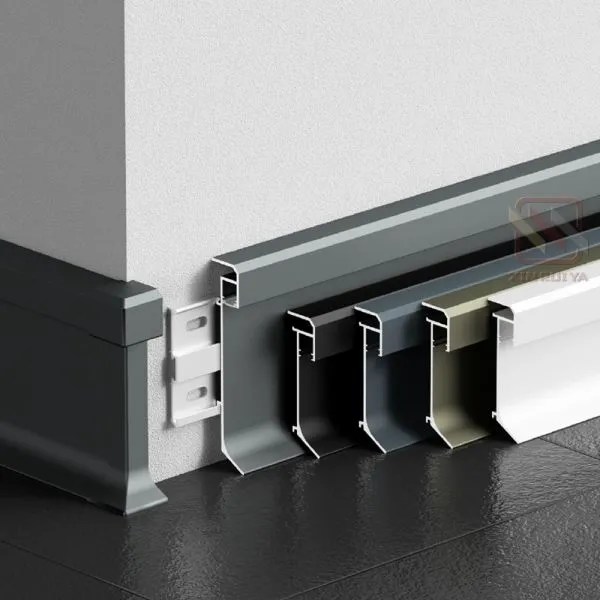
That’s why designers quietly rely on things like ss corner guards even though they rarely get the spotlight. These small metal protectors sit neatly on wall edges, shielding the corner from dents, chips, and the kind of wear that makes a home look tired before its time. They’re like the bodyguards of your walls—discreet, unfussy, but doing all the heavy lifting.
What I love is that they’ve started looking beautiful too. You don’t have to choose between function and style anymore. There are brushed steel options that blend into minimalist spaces, mirror-polish trims that add a tiny bit of shine, matte finishes for industrial-style homes, and even champagne tones that work so elegantly with contemporary interiors. I’ve noticed them a lot in airports, hospitals, hotels—places where durability matters—but they’re slowly making their way into homes because people are tired of repairing corners every six months.
A friend of mine once told me she installed them after her dog kept brushing against the corners, leaving tiny scrapes that eventually turned into bigger peeling patches of paint. A simple trim saved her so much hassle. I remember thinking, “Why don’t we talk about this stuff more often?” Maybe because good interior design doesn’t brag. It just works quietly in the background.
And speaking of quiet but important details—let’s talk tiles for a second. Tiles are everywhere: bathrooms, kitchens, balconies, entryways. But here’s a funny truth most people learn only after they renovate: the corners of tiled surfaces are the first places where imperfections show up. Cut tiles can look uneven, grout cracks, edges chip. It’s like your home is trying to tell you, “Hey, you forgot to finish me properly.”
That’s where tile corner trim comes in, and honestly, it deserves a round of applause. These finishing trims ensure that the meeting point of two tiled surfaces looks clean, smooth, and purposeful. No sharp edges. No awkward tile cuts. No crumbling corners pretending they’re fine. Instead, you get this gentle curve or seamless line that makes everything feel professionally done—even if the tiling wasn’t perfect.
What’s interesting is how these trims aren’t just functional anymore. They add character. A slim gold trim around a bathroom niche can make it look spa-like. Black trims around tile edges frame the room like a photograph. Even the simple silver ones give that polished, just-out-of-the-box freshness. It’s wild how something so small can upgrade an entire wall.
I once watched a contractor explain to a homeowner why her bathroom renovation looked “almost right” but not completely there. He pointed to the unfinished edges and said, “Your eye might not scream it, but your mind feels it.” And he was right. A space with clean corners signals intention. It feels resolved, calmer, and oddly more inviting.
The more I pay attention to interiors, the more I realize that good design is really a story told through tiny details. A well-protected corner. A neatly finished edge. A trim that holds two materials together like a handshake. We notice the big stuff, but we remember the small things—the things that make us feel like the space is cared for, not just decorated.
Interior designers have a bit of a love affair with finishing materials because they’re the glue that holds everything together. They fix inconsistencies. They smooth over imperfections. They protect things that would otherwise deteriorate way too fast. But above all, they make a space look intentionally crafted rather than hastily assembled.
I think about how many homes could look “premium” with just a few of these small finishing upgrades. Protect the corners, finish the tiles with care, frame the edges, and suddenly the whole place feels elevated. You don’t always need a massive renovation or fancy materials; sometimes you just need thoughtful finishing touches that make your home age more gracefully.
And honestly, there’s something symbolic about that. Corners are where things turn, shift, meet. They’re vulnerable. They can break easily. Yet, with the right support, they stay strong and beautiful for years. Kind of like people, when you think about it.
If you’re in the middle of a renovation or even just planning one in your head, try noticing the corners, the edges, the small connections between surfaces. Those are the spots that tell you whether a space was finished with care or just completed in a rush. Those are also the places where upgrades make the biggest impact with the least effort.
 pulsemarket
Leave a comment