Every vehicle owner has that one task they keep pushing forward on the calendar. Not because it’s hard, exactly, but because it feels unnecessary right now. Oil change can wait. Insurance renewal is still weeks away. And then there’s the number plate issue. You know it’s coming. You just hope it won’t matter today.
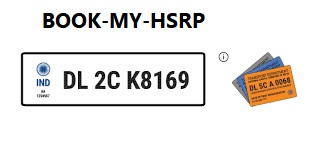
For a long time, it didn’t. Older plates worked fine, traffic checks were mostly manual, and enforcement was inconsistent. But things have changed quietly, the way systems usually do. Cameras don’t forget. Databases don’t shrug and wave you through. That’s how many people first really notice the importance of an hsrp number plate —not through an announcement, but through a warning msg, a fine, or a friend’s story that sounds a little too close to home.
What makes this topic oddly frustrating is that it sits at the intersection of logic and emotion. Logically, standardised plates reduce theft, prevent tampering, and help vehicles stay traceable across states. Emotionally, it feels like being told to replace something that isn’t broken. And humans don’t love that. We like upgrades when they feel optional, not mandated.
Still, HSRP isn’t some cosmetic change dreamt up overnight. It’s a structural move toward uniformity. One font. One format. Tamper-proof screws and a hologram that can’t be peeled off and reused. From a bird’s-eye view, it’s sensible. From the driver’s seat, it’s just another errand.
Most people only start paying attention when enforcement becomes visible. Suddenly, traffic cameras are sharper. Challans arrive faster. States begin syncing data. At that point, not having the updated plate feels less like rebellion and more like an expensive oversight.
The biggest misconception is that the process is complicated. It isn’t. What complicates it is waiting until deadlines pile up. When everyone rushes at the same time, websites feel slower, fitment centers get crowded, and patience runs thin. Book early, and the experience is often dull—in the best possible way.
You’ll see a lot of online chatter about agents, shortcuts, and miracle solutions. Ignore most of it. The official process exists for a reason, and when followed calmly, it works. You enter your registration details, confirm vehicle information, choose a fitment center, and select a slot. Payment is fixed and transparent. No bargaining, no guesswork.
The irony is that people spend more time worrying about number plate booking than the booking itself ever takes. Ten minutes online can save hours of mental noise. But procrastination has a funny way of convincing us that tomorrow will always be better.
Fitment day is where expectations and reality often clash. Some folks imagine long queues and chaos. Others assume they can show up late or early and still be accommodated. The truth sits somewhere in between. If you arrive around your chosen time with the right documents, the process is usually smooth. Old plate off, new one on. Done before you’ve scrolled through half your notifications.
Another hesitation people have—especially owners of older vehicles—is whether their car or bike will “cause issues.” In most cases, it won’t. Age doesn’t disqualify a vehicle. You might need to double-check engine or chassis numbers on older RCs, but that’s manageable. Thousands do it daily without drama. The fear tends to come from uncertainty, not real barriers.
What’s rarely talked about is the psychological relief once it’s done. It’s subtle, but real. You stop glancing nervously at traffic cameras. You don’t wonder whether that next checkpoint will mean a lecture or a fine. It’s a small mental load lifted, and in a busy life, those small loads add up.
There’s also a visual side to it. The new plate looks… official. Clean. Consistent. It signals that your vehicle is current, aligned with today’s rules rather than yesterday’s habits. That may not matter to everyone, but for many, it feels oddly satisfying.
Cost, thankfully, isn’t where the system surprises you. Prices are regulated and clearly displayed during booking. If someone quotes wildly different numbers or promises speed for extra payment, that’s a red flag. Faster usually just means earlier. Systems don’t bend for favours as much as people like to claim.
As cities grow smarter—digitally, at least—the margin for non-standard details shrinks. Automated enforcement doesn’t debate intent. It matches patterns. Anything that falls outside those patterns stands out. In that environment, small compliance steps like updating a number plate become less negotiable over time.
What’s interesting is how quickly annoyance fades once the task is complete. You might grumble beforehand. You might complain about the rule. But afterward? Most people just move on. It becomes one of those adult chores you handled, like renewing insurance or updating an address.
If you’re still putting it off, ask yourself why. Not in a dramatic way. Just honestly. Is it the time? The uncertainty? The feeling that it’ll be harder than it really is? Once you pinpoint that, the solution usually becomes obvious.
 pulsemarket
Leave a comment