There’s a strange intimacy to Indian roads. They witness our early-morning yawns, late-night impatience, and those quiet drives where the mind wanders faster than the car. Toll plazas, for better or worse, are stitched into that experience. You don’t think much about them at first—until you’re stuck behind a bus that won’t fit the lane or a scanner that refuses to beep.
FASTag changed that rhythm. Not perfectly, but noticeably. And now, with monthly and annual pass options becoming part of the conversation, drivers are starting to ask smarter questions. Not “What is FASTag?” anymore—but “How do I make this work better for my life?”
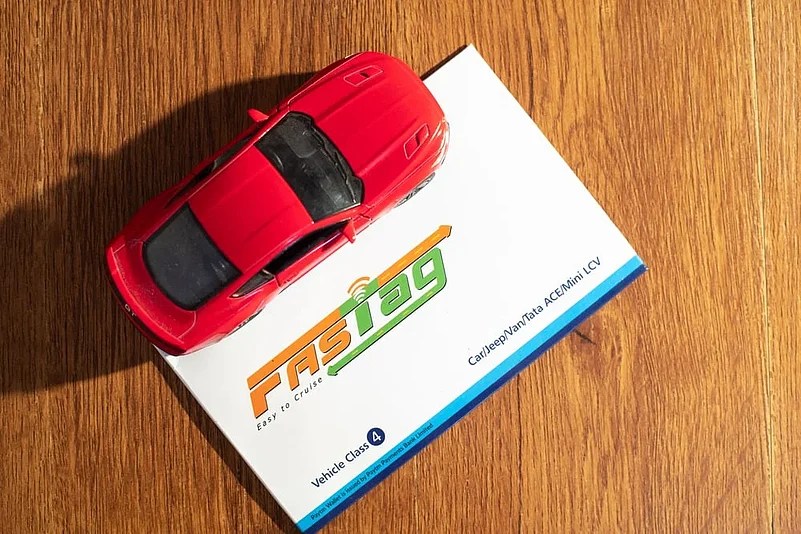
That’s where things get interesting.
If you drive the same stretch of highway often enough, tolls stop feeling like a minor inconvenience and start feeling like a subscription you never signed up for. Office commuters, delivery drivers, parents shuttling kids between cities for school or coaching—it adds up. Slowly, quietly. One swipe here, one deduction there.
So naturally, people want clarity. They want predictability. And yes, they want to know whether it’s actually worth committing to a pass instead of paying per trip.
The first thing most drivers ask—sometimes bluntly—is about money. Specifically, fastag monthly pass price . It’s a fair question. A monthly pass can feel like a middle ground: not as long-term as an annual plan, but still a break from constant micro-payments. Prices vary based on the toll plaza, route length, and vehicle type, which can make things confusing at first glance. But for someone crossing the same toll booth twice a day, the math usually becomes obvious by week two.
There’s also something oddly reassuring about a monthly cycle. You try it, see how it fits your routine, and adjust if needed. No year-long commitment, no overthinking. Just a cleaner, more predictable expense.
But money isn’t the only factor here. Time plays an equal role, even if we don’t always calculate it properly. Think about those extra minutes spent slowing down, checking balances, or arguing over a failed scan. Multiply that by 20 or 40 trips a month. Suddenly, the value of a pass isn’t just about rupees saved—it’s about mental energy preserved.
Of course, not everyone has a fixed commute. India’s roads serve people with wildly different patterns. A freelance photographer bouncing between cities won’t benefit the same way a school bus driver does. And that’s okay. FASTag passes aren’t meant to be universal solutions. They’re tools, and like any tool, they work best when matched to the right job.
What’s changed recently is access. A few years ago, anything involving permits or passes felt like paperwork purgatory. Now, the idea of getting a fastag annual pass online doesn’t sound ambitious—it sounds normal. Log in, select your route, verify details, pay digitally, and you’re done. No standing in line, no guessing who to talk to, no vague “come tomorrow” instructions.
That shift matters more than we give it credit for. When systems are easy to use, people actually use them. And when they use them, the benefits—less congestion, smoother flow, fewer disputes—start to show up on the road itself.
There’s also a subtle emotional shift that comes with prepaid travel. When tolls are already handled, drives feel lighter. You’re not bracing for friction every few kilometers. You just… drive. It sounds small, but anyone who’s spent years navigating India’s highways knows how rare uninterrupted movement can feel.
Still, it would be dishonest to paint this as flawless. Technical glitches happen. Some toll booths lag behind in maintenance. And not every route offers pass options yet. Drivers need to check coverage carefully before committing, especially for annual plans. A pass that doesn’t cover your most-used stretch is just an expensive sticker.
Another overlooked aspect is awareness. Many drivers still don’t know these options exist, or they’ve heard half-formed rumors that make passes sound complicated or risky. In reality, the biggest challenge is understanding eligibility and choosing the right duration. Monthly passes suit people testing the waters. Annual passes reward consistency and long-term planning.
And maybe that’s the deeper story here—not tolls or technology, but how our relationship with roads is evolving. We’re moving from reactive travel to intentional travel. From fumbling for change (remember that?) to deciding in advance how we want our journeys to feel.
 pulsemarket
Leave a comment