It’s a weird, stomach-dropping feeling. You open your banking app, expecting to see your hard-earned money sitting there safely, and then—bam—something is off. A transaction you don’t recognize, an unexpected debit, or worse, multiple debits you never authorized. Welcome to the stressful world of bank account fraud. While rare, it can happen to anyone, and knowing how to respond can save you from weeks of panic, phone calls, and headaches.
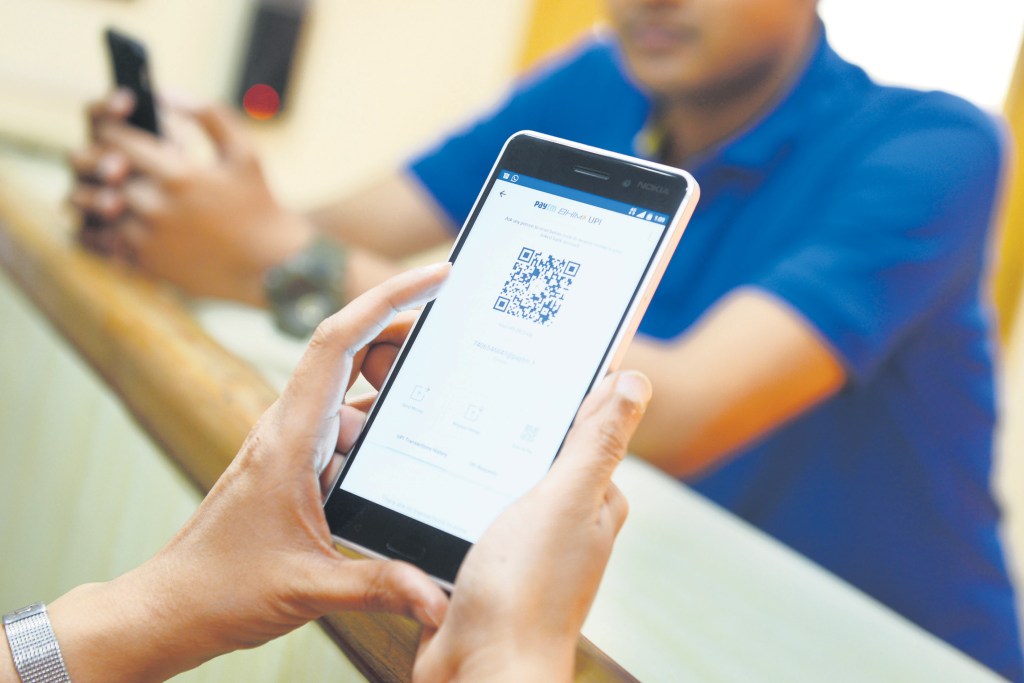
Even if the amounts involved are small, the psychological impact is enormous. You start questioning whether your account is secure, whether your personal info is safe, and how quickly you can recover your funds. Fortunately, there’s a clear path to follow. Filing a bank account fraud transaction complaint is the first step toward resolving the issue, and the process, while bureaucratic at times, is far more straightforward than most people imagine.
Why Bank Frauds Happen
The first thing to understand is that these incidents are usually the result of technological loopholes or human error, not necessarily your own carelessness. Bank fraud can occur due to:
- Phishing or scams: Fake emails, messages, or calls tricking you into sharing sensitive information.
- Card skimming: Devices at ATMs or point-of-sale machines that steal card data.
- Data breaches: Sometimes personal information leaks from other platforms, which hackers exploit.
- Malware or unsecured networks: Using public Wi-Fi or infected devices can give attackers access to your banking details.
Understanding the root cause is useful because it helps you prevent future incidents and informs how you escalate your complaint.
Filing a Bank Account Fraud Transaction Complaint
Once you notice an unauthorized debit, the clock starts ticking. Prompt action is crucial. Banks have protocols, and the sooner they are aware of the fraud, the higher the chance of reversing the transaction. Here’s a practical approach:
- Document everything immediately: Screenshots of the transaction, account statements, date, time, and the amount are essential.
- Contact your bank’s customer service: Use their dedicated hotline or digital banking app to report the incident. Clearly state that you want to file a bank fraud transaction complaints .
- Obtain a reference number: Always ask for a complaint or case number to track progress. This ensures your report doesn’t get lost in the system.
- Follow up consistently: Resolution might take a few days or even weeks, depending on the investigation. Keeping a record of all calls or emails helps.
Remember, banks are used to handling these complaints. While the process may seem intimidating, persistence and organization make it much smoother.
Understanding the Investigation Process
Many people get anxious when they don’t see immediate results. Banks typically follow a multi-step investigation:
- Verification of the transaction: They check if it truly wasn’t authorized by the account holder.
- Tracing the money: Banks attempt to track where the funds went and if they can be frozen.
- Internal audit and coordination with authorities: In more complex cases, banks liaise with law enforcement to recover the funds.
It’s not instant, but these procedures exist to protect both the customer and the bank. A clear, detailed complaint ensures that your case moves faster than a vague report.
Proactive Measures to Avoid Fraud
While it’s impossible to eliminate risk entirely, certain practices drastically reduce the chance of becoming a victim:
- Enable two-factor authentication (2FA): Adds a layer of security beyond just your password or PIN.
- Monitor your accounts regularly: Daily or weekly checks help spot suspicious activity early.
- Avoid unsecured networks: Public Wi-Fi or shared devices can expose your login credentials.
- Be skeptical of unsolicited messages: Don’t click links or share OTPs with anyone, even if they claim to be from your bank.
These small precautions can prevent a lot of unnecessary stress. They might feel like extra steps, but they’re worth the peace of mind.
Handling Bank Fraud Transaction Complaints
Sometimes, the problem is more persistent, or you notice recurring unauthorized activity. In such cases, escalating through official channels is important. Filing bank fraud transaction complaints allows for more formal tracking and intervention.
- Use the bank’s grievance redressal portal: Most banks have a dedicated section for escalations beyond the initial complaint.
- Provide full documentation: Include transaction details, previous complaint references, and any correspondence with the bank.
- Follow regulatory guidelines: In India, you can also reach out to the Banking Ombudsman for unresolved issues.
Taking these steps ensures your complaint is taken seriously and increases the likelihood of resolution.
Staying Calm and Organized
Money matters are deeply personal, and encountering fraud can feel like an invasion of privacy. It’s normal to feel frustrated or anxious, but staying calm and methodical is surprisingly effective. Panic can lead to repeated calls, incomplete information, or confusion—slowing down the resolution.
Organize your details, keep records of every interaction, and communicate clearly. Even a few minutes of thoughtful planning can save hours of repetitive stress. It’s like approaching a maze with a map instead of wandering blindly; the path to resolution becomes clearer.
Technology’s Role in Reducing Fraud
Banks and digital payment platforms are getting smarter. Many use AI-driven systems to detect unusual transactions and alert customers instantly. Apps can temporarily freeze suspicious activity, preventing further loss. While technology can’t eliminate fraud entirely, it can significantly reduce risk and help you act faster when incidents occur.
Still, personal vigilance remains essential. Even the smartest systems can’t protect against every phishing scam or human error. Understanding how to file a bank account fraud transaction complaint or escalate through bank fraud transaction complaints channels gives you control in situations that might otherwise feel helpless.
Final Thoughts
Experiencing bank fraud or unauthorized transactions is stressful, but it doesn’t have to be overwhelming. Whether it’s filing a bank account fraud transaction complaint for a sudden debit or using bank fraud transaction complaints channels for persistent issues, organization, prompt action, and clear documentation are your best tools.
 pulsemarket
Leave a comment