Cancer has a way of changing everything in your life, often before you even realize it. One day, your biggest concern might be finishing work on time; the next, it’s trying to make sense of test results, scans, and advice that feels overwhelming. And in the middle of all this uncertainty comes a question that feels monumental: where should treatment happen? Choosing the right hospital isn’t just about machines or doctors—it’s about trust, comfort, and a sense that someone really sees you.
India’s oncology landscape has grown enormously over the past few decades. From a handful of specialized centers to a network of hospitals that combine advanced technology with human care, the country has become a hub for cancer treatment. People from small towns and large cities alike, and even international patients, now travel to India seeking both quality and compassion. But the sheer variety of options can make the search feel daunting.
What truly makes a hospital stand out isn’t just equipment or medical degrees—it’s how it treats patients as people. You’ll hear it again and again from families: the hospitals that make the biggest difference are the ones where doctors explain things clearly, nurses notice small changes in condition, and even the administrative staff handle questions patiently. Care, after all, is about human connection as much as it is about medicine.
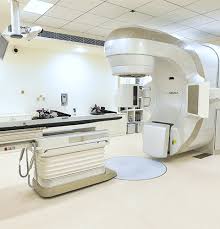
Technology is undeniably important. Modern cancer care in India now includes precision radiotherapy, robotic surgery, advanced imaging, and targeted therapies. Some hospitals are pioneering treatments that would have been unimaginable a few years ago. Yet the best care comes from knowing when to use these tools wisely. Aggressive treatment isn’t always the answer, and sometimes the wisest approach is a balanced one, prioritizing quality of life along with medical outcomes.
The idea of multidisciplinary care is another key factor. When surgeons, medical oncologists, radiation specialists, radiologists, and pathologists actually sit together to discuss a patient’s plan, the results are often better. Fewer mistakes, more thoughtful decisions, and a treatment plan that feels coherent instead of pieced together. You might not see these discussions, but their effects are very real.
Financial considerations are also unavoidable. Cancer treatment anywhere in the world can be expensive, and India is no exception. However, one of India’s strengths is its ability to provide advanced care at comparatively lower costs. Many hospitals also help patients navigate insurance claims, government health schemes, or charitable support. While it doesn’t remove stress entirely, it can make the treatment journey feel a little less overwhelming.
When searching for options online, many people enter the phrase best oncology hospital in india. What they’re really looking for is reassurance more than a ranking. They want to know there’s a place that combines expertise with empathy, one that will help navigate the unknown with skill and patience. The “best” hospital is different for everyone, depending on what matters most—cutting-edge treatments, supportive care, proximity to home, or the feeling that you’re not just another file on a desk.
Location can play a surprisingly big role. Large metro hospitals often offer specialists and research opportunities that smaller centers can’t, while regional hospitals may provide a sense of comfort and continuity that can’t be measured on paper. Staying close to home can mean familiar food, easier travel for family visits, and the emotional stability that comes from being surrounded by loved ones. In many cases, that familiarity becomes a subtle yet powerful part of healing.
Communication is another area where Indian hospitals are improving. Patients increasingly expect honest, clear conversations about diagnosis, treatment options, and potential side effects. A decade ago, this was often avoided or softened; today, transparency is more common. Being included in decisions not only builds trust but can also reduce anxiety in ways that medicine alone cannot.
Support services, too, are increasingly recognized as essential. Counseling, nutritional guidance, rehabilitation, pain management, and palliative care are becoming integral parts of treatment plans. Cancer doesn’t just affect the body; it touches emotions, relationships, and identity. Hospitals that embrace these aspects of care tend to leave a lasting, positive impression on both patients and families.
Choosing an oncology hospital in india is rarely a simple, logical decision. It’s shaped by instinct, recommendations, small moments, and practical constraints. Maybe it’s the doctor who explains a procedure twice without sounding impatient, the nurse who notices subtle changes, or the administrative staff who actually listen. These details aren’t on websites, but they often make the difference between feeling cared for and feeling like a number.
There’s no one-size-fits-all answer. Some people prioritize access to clinical trials and cutting-edge research; others value warmth, familiarity, and ease of travel. Most try to balance both, hoping they’ve made the right choice. And honestly, that uncertainty doesn’t make the process wrong—it makes it human.
 pulsemarket
Leave a comment